
Today is the day of departure.
It’s the last day of our trip, but not the end of our adventures. On our way back to Potsdam, just a 30-minute train ride from Bad Schandau, we’ll make a stop in Dresden.
In the morning, we packed up and tidied our place. After another delightful German breakfast, I took some final photos of Bad Schandau on the way to the ferry. I’m falling more and more in love with this place, and it’s a bit sad to say goodbye. At 7:55, we are on our usual ferry, almost like our home now. Off to the train station we go.
Our tickets back to Potsdam are already paid for, so we just need to wait for the ordinary German train… Hello, Dresden!
From the train window, I’m filming the breathtaking views of the “Saxon Switzerland” nature reserve on the way to Dresden.
We arrive at the Dresden station, drop off our bags at the luggage storage, and step outside to see a beer ad right above the main entrance. For some reason, this doesn’t surprise me anymore.
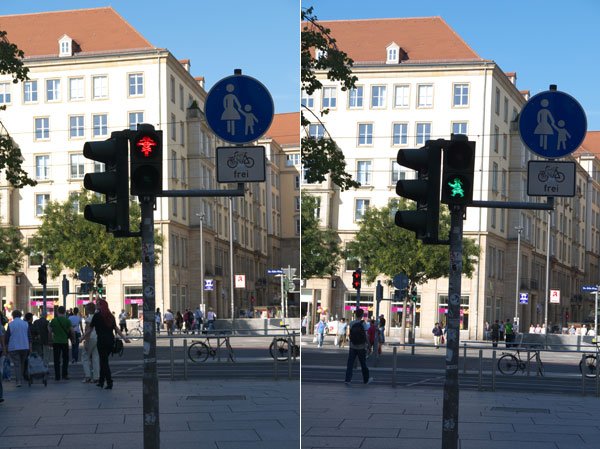
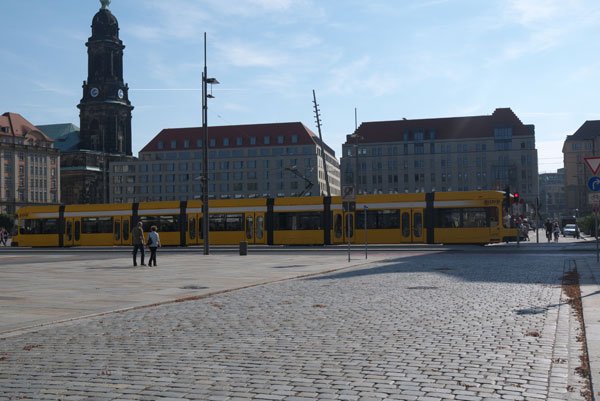
We wait at the crossing while the world’s longest tram passes by, and then the green pedestrian light turns on.
In East Germany, the traffic lights for pedestrians don’t show the usual generic figure. After the reunification of Germany, they wanted to replace all traffic lights with standard ones, but the residents of the East, especially in Berlin, were against it. Today, the green man on the traffic lights is a symbol of Berlin, and you can find his figures and images in any souvenir shop. In Dresden, they went further; they installed a traffic light girl, the Berlin green man’s girlfriend.
Robert tells me that before the war, Dresden was called the “Florence on the Elbe.”
After the war, Dresden was almost entirely in ruins. Only fragments of its architectural monuments remained. They say that when the Americans and British bombed Dresden, people cried as they lost unique architectural masterpieces.
The walk from the station to the city center took about 20 minutes, and all of it had been completely destroyed—turned into a blank field. You can imagine the scale of the destruction.
They say there was no sense in this bombing because the Russians were already in Berlin.
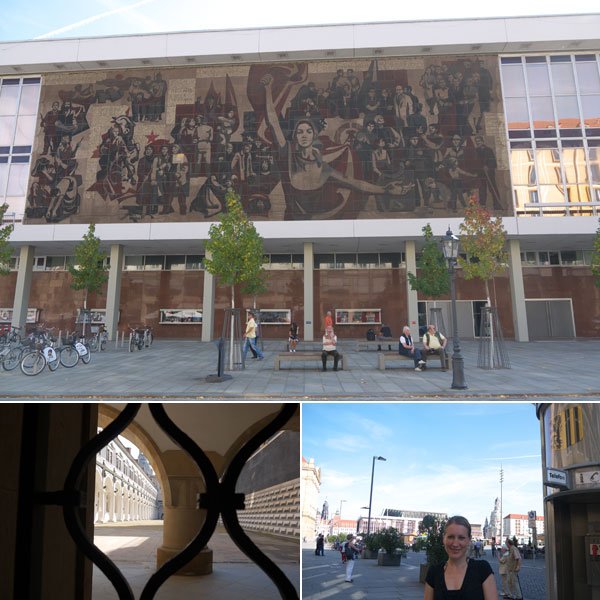
The city was rebuilt after the war using photographs. There are still many buildings from the GDR era in the city.
Interesting fact! The Germans preserve not only their monuments but also those built during the Soviet Union era. In Berlin, not far from the Golden Elsa, there’s a monument to a Russian soldier. It was erected right after the war, and it still stands today, protected by the government.
Here’s a mosaic on the wall of a cultural house from the GDR era.
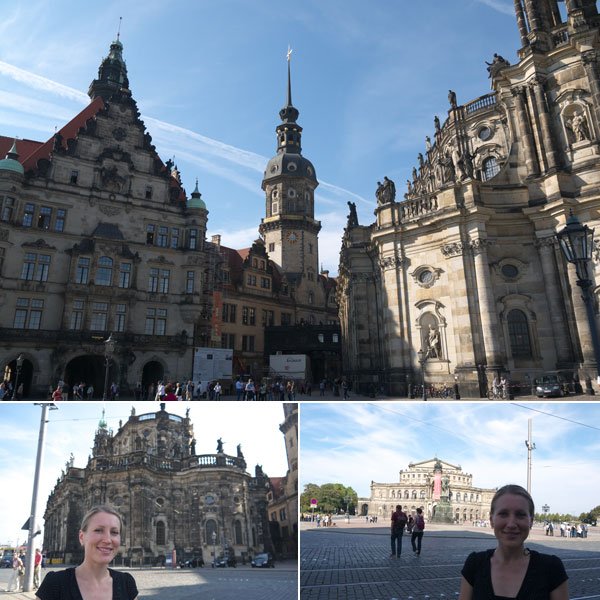
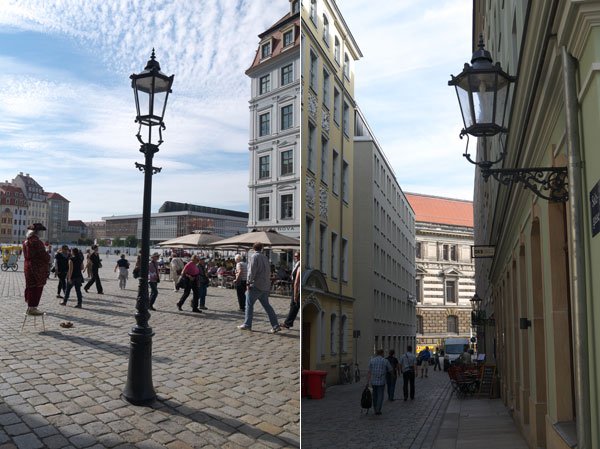
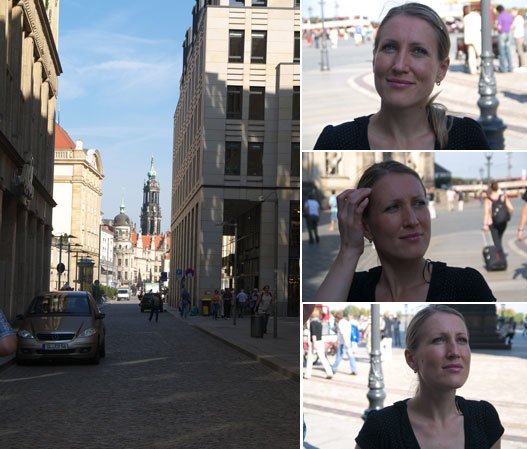
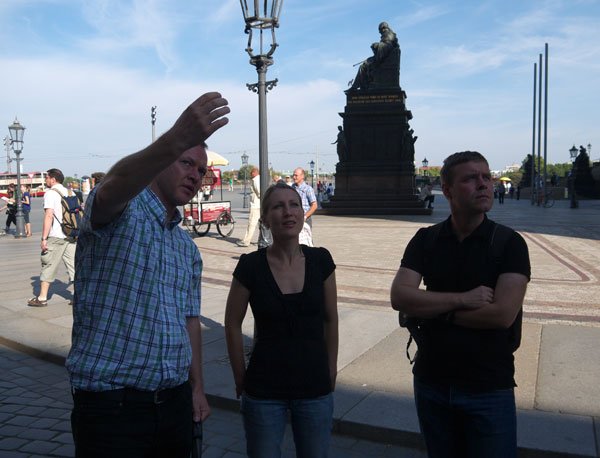
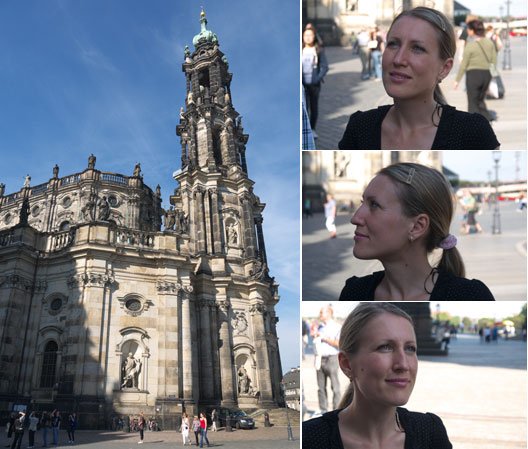
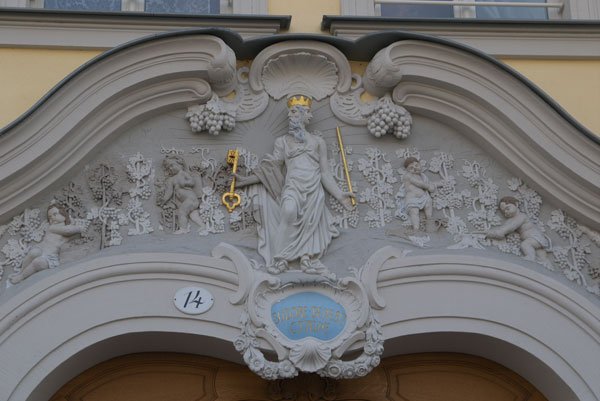
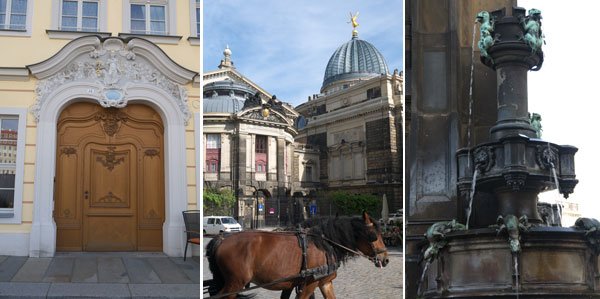
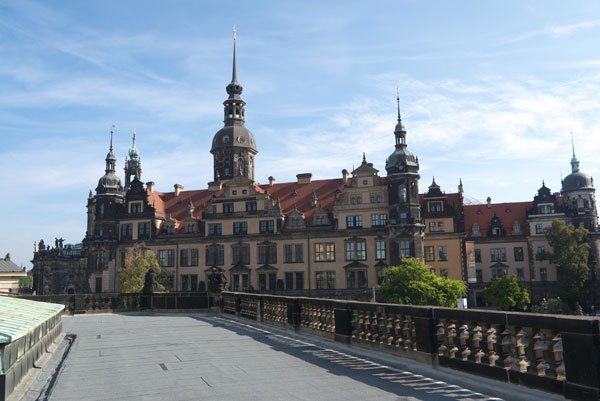
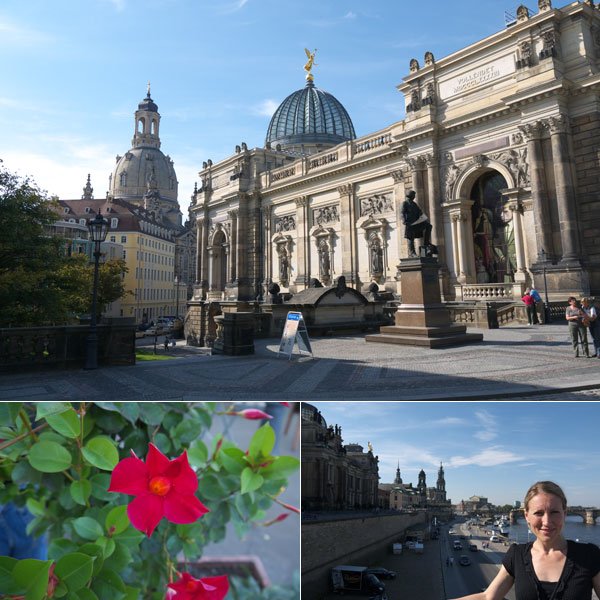
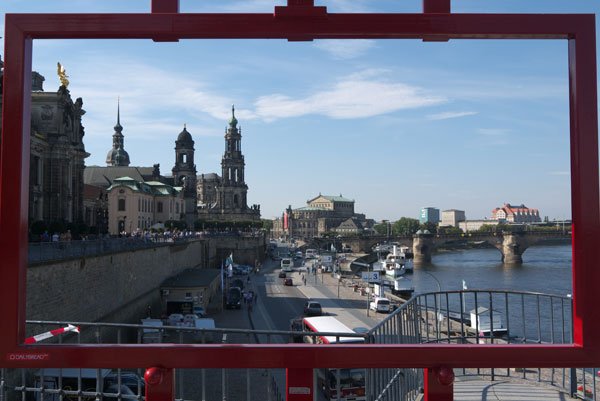
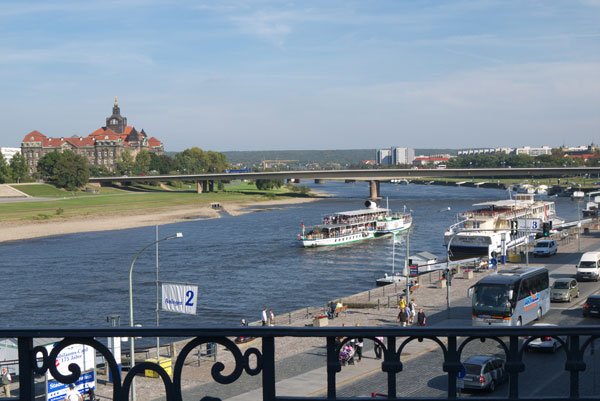
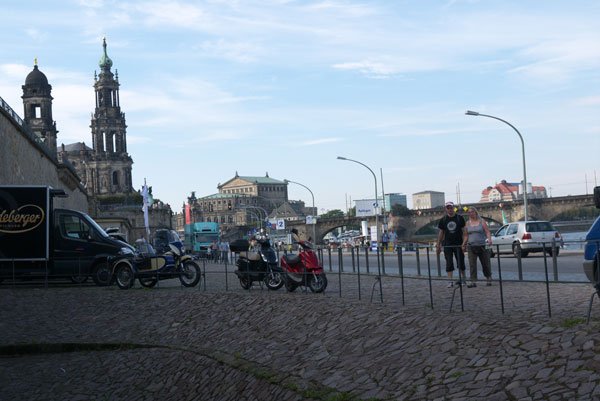
We entered the center of Dresden and couldn’t leave. The photos show only a small part of what we saw… It’s incredibly beautiful!
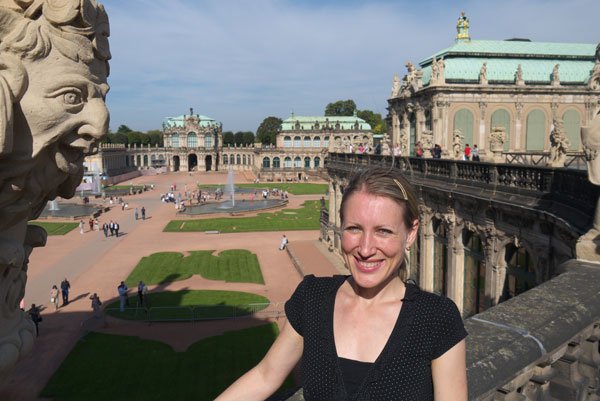
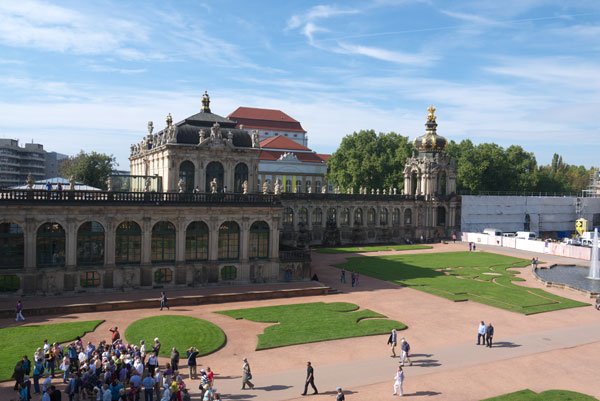
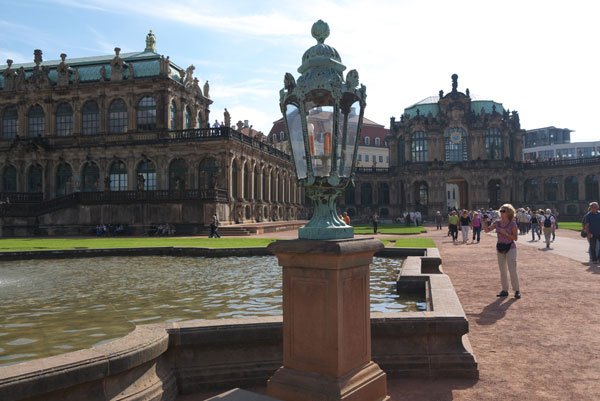
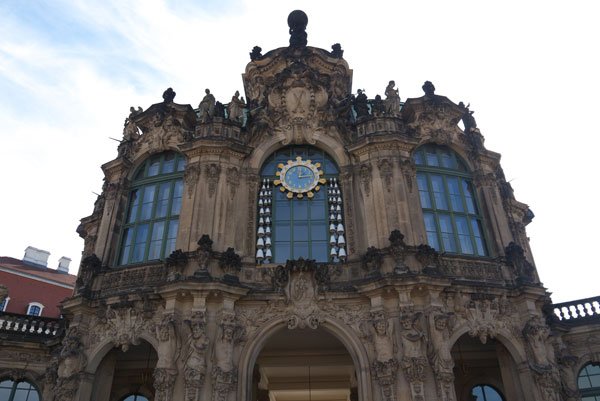
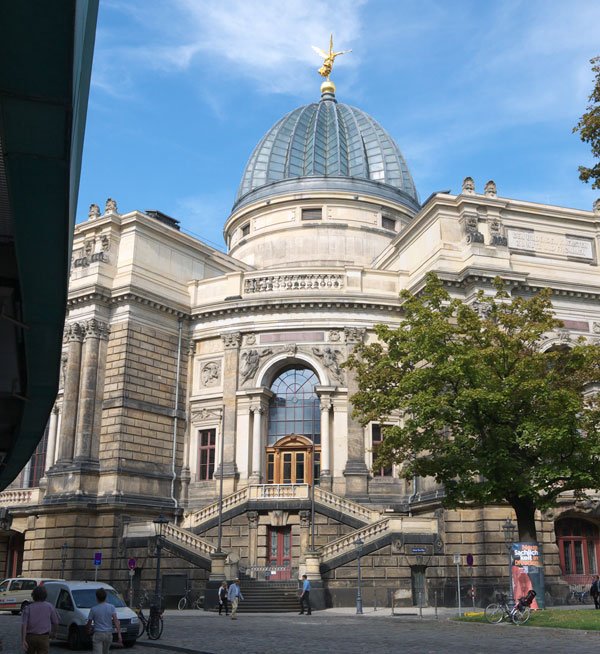
We arrived at the Zwinger Palace, which now houses a famous art gallery.
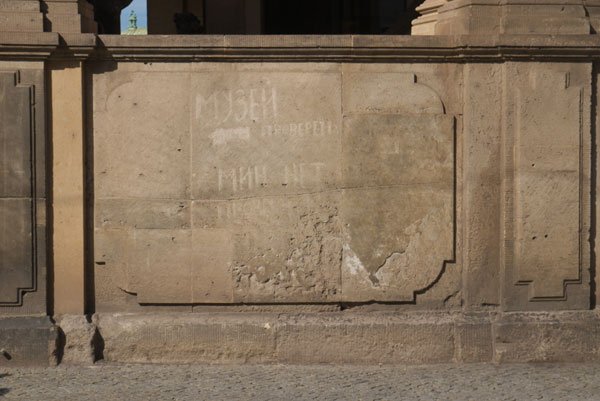
At the entrance to the Zwinger Palace, there is an inscription on the wall made by a Russian soldier at the end of the war: “THE MUSEUM HAS BEEN CHECKED, NO MINES.”
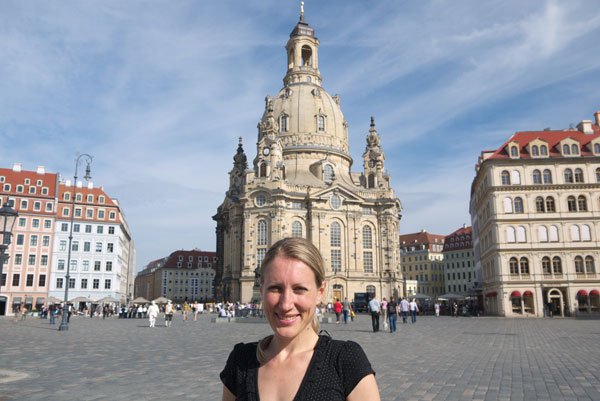
The Frauenkirche, the women’s church right behind me, was destroyed to the ground during the war. It has the largest stone dome in the world and was restored with donations from around the globe.
Dark spots are visible on the church. During the GDR, there was no money to restore the church, and it remained a pile of rubble for many years.
After the reunification of Germany, they started searching for the preserved parts of the church in this pile, and with the help of computer programs, they restored them to their original places.
Over time, the difference between the new parts of the church and the original will fade. In about 50 years, the sandstone (the stone from which the church is made) will turn black.
You can visit the church for free, but unfortunately… we came on a holiday.
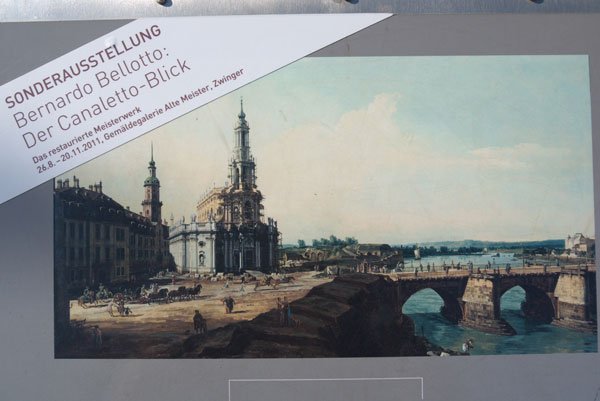
Old and modern Dresden. Can you spot the differences?
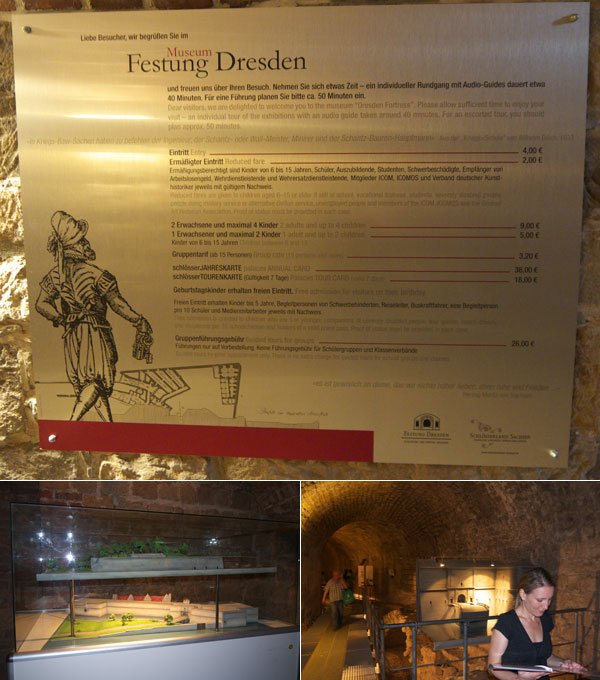
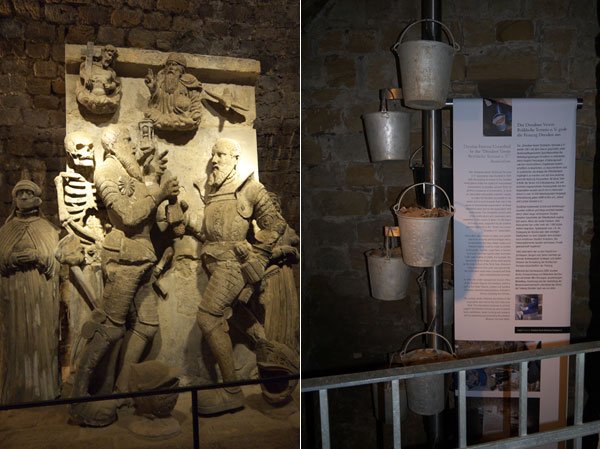
The photos below show the casemates in the fortress wall. The casemates were fully restored by local residents who worked on them in their free time.
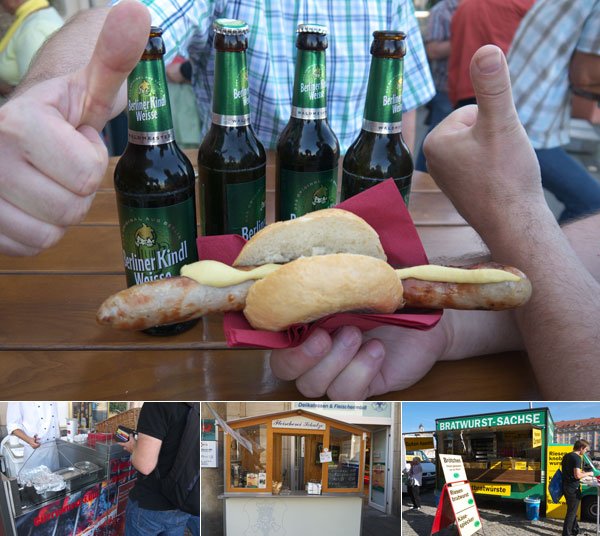
A little German snack—a sausage with a bun and beer mixed with lemonade (Germans call this beer a “Radler” or “bicycle beer”).
After four hours of wandering around the magnificent Dresden, we are back at the station. We pick up our luggage from the storage and take the escalator up to the platform. Very convenient.
It’s now 3:30 PM, and it’s about two hours to Berlin… and I’ve decided to write down all my impressions from the trip.
This is the last post about our four unforgettable days in Germany and the Czech Republic. With it, we say goodbye to Germany for a year, maybe even longer. The day after tomorrow, we return home to Russia. Russia, my homeland!
Useful Information for Travelers:
- Cost of luggage storage at the station: 4 euros for a large locker, 3 euros for a small one. The large locker fit two bags and a backpack. Another backpack could have fit as well.
- Cost of tickets to the Dungeon Museum: 8 euros for two people.
- Cost of a bread roll with sausage on the street: from 1.9 to 2.5 euros per person. In the historic center and on the Elbe, it’s more expensive. Closer to the station, it’s cheaper.





Прекрасные фотографии и видео. Вы – молодец!
Спасибо Людмила
Просматривая эту страницу, путешествовала вместе с Вами. Очень интересно и красиво все оформлено. .Но я ощутила как Вы были рады возвращению домой на родину…?